


🚗🌧️Car Rearview Mirror Anti-Rain Film
🚗🌧️Car Rearview Mirror Anti-Rain Film


Couldn't load pickup availability

🚗🌧️Car Rearview Mirror Anti-Rain Film
Help Keep Your Side Mirrors
Clearer In Wet Weather
A transparent protective film designed for car side mirrors to help reduce visual interference from rain, moisture and light fog during everyday driving.

Don't Let Rain Cover Your Rear View
Water droplets on an exterior mirror can make vehicles, lane markings and surrounding objects harder to see. The transparent film creates a treated surface intended to improve water behavior on the mirror during wet conditions.
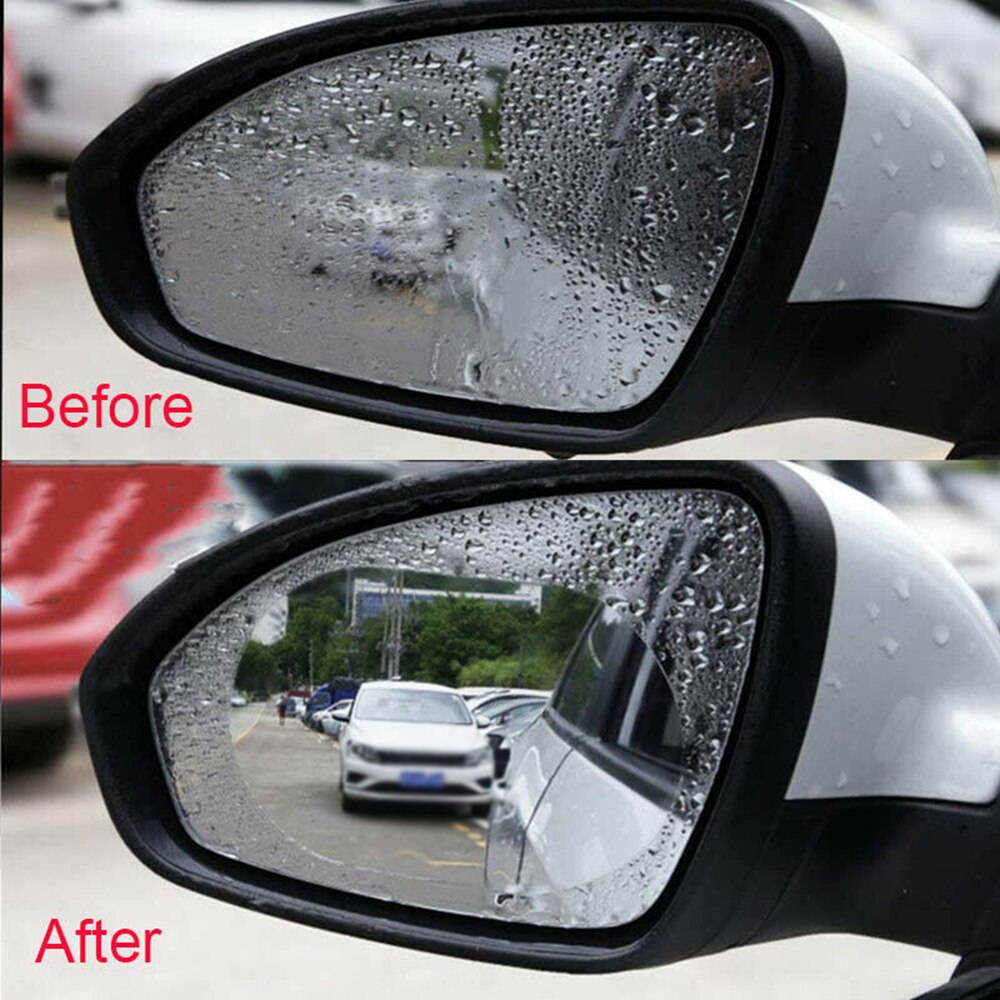
A Small Upgrade For Rainy Drives
Rain Management
The treated surface helps water move across the film instead of remaining as large obstructive droplets.
Fog & Moisture Support
Designed to reduce the visual interference caused by moisture collecting on the treated surface.
Transparent View
Clear film is designed to preserve normal mirror visibility after proper installation.
Surface Protection
Adds a removable protective layer over the covered area of the mirror surface.

See More Of What's
Happening Behind You
By helping reduce water and moisture across the treated portion of the mirror, the film can help maintain a clearer viewing area during rainy or humid conditions.

Protection Without Covering The Reflection
Once the colored protective installation layer is removed, the functional film itself remains transparent so the mirror can continue to be used normally.

A Clean Installation Makes The Difference
Clean The Mirror
Remove dust, dirt, grease and surface residue from the mirror before installation.
Lightly Wet The Surface
Apply a light mist of clean water to make positioning the film easier during installation.
Position The Film
Align the transparent film over the desired section of the side mirror.
Push Out Water & Air
Gently smooth from the center toward the edges to remove trapped water and air bubbles.
Remove The Outer Protective Layer
After the film is positioned, carefully peel away the final protective installation layer.

Tips For A Cleaner Finish
Helpful When Weather Changes
Visibility Aid — Not A Substitute For Safe Driving
• The film helps manage water and moisture on the covered mirror area but cannot eliminate all visibility problems in severe weather.
• Always use normal mirrors, vehicle lighting and safe driving practices appropriate to road conditions.
• Do not install over damaged, cracked or heavily scratched mirror glass.
• If the film becomes damaged, cloudy, scratched or begins to peel, replace it rather than continuing to use an obstructed mirror surface.
What You Need To Know
Cleaning & Care
• Rinse away loose dirt before wiping the film.
• Use clean water or mild soapy water when necessary.
• Avoid aggressive scraping or abrasive cleaning pads.
• Do not use sharp tools directly on the film surface.
• Replace the film if transparency or adhesion noticeably deteriorates.
Frequently Asked Questions
What does this film do?
It creates a treated transparent area on the side mirror designed to help reduce visual interference from rain, water droplets and moisture.
Is the film transparent after installation?
Yes. The functional layer is transparent. Any colored installation or protective layer should be removed according to the installation instructions.
Does it completely eliminate rain from the mirror?
No. It is designed to improve water behavior on the treated area, but results vary with rainfall, vehicle speed, installation quality and environmental conditions.
Can it help with fog or moisture?
It is designed to help reduce moisture-related visual interference on the treated mirror surface. Performance varies with temperature and humidity conditions.
Do I need to remove the mirror to install it?
No. The film is applied directly to the mirror surface after cleaning and wetting the glass.
Why should I spray water before installation?
A light water mist makes it easier to position the film and helps trapped air and excess water move toward the edges during smoothing.
What should I do if there are bubbles?
Before the film fully settles, gently push trapped water or air from the center toward the edge using a suitable soft squeegee.
Can the film be cleaned?
Yes. Use clean water or mild soapy water and wipe gently with a soft cloth. Avoid abrasive pads and aggressive scraping.
Does it fit every vehicle?
Mirror shapes and dimensions vary between vehicles. Compare the selected film option with your mirror area before ordering.
A Clearer Mirror For Wet-Weather Driving
Add a transparent protective surface to your side mirrors and help keep more of the reflection visible when rain and moisture arrive.


