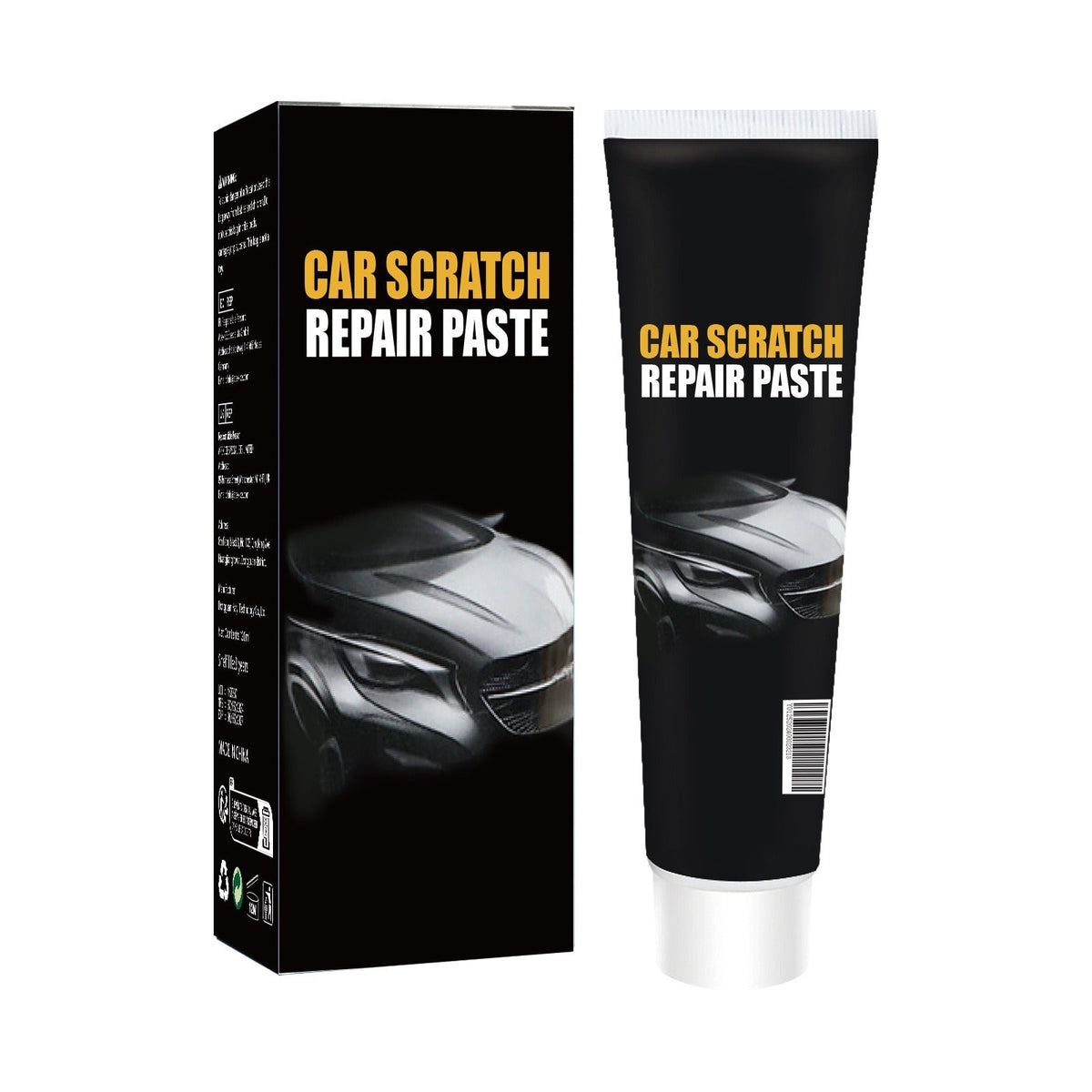
🔥Car Scratch Repair Paste– Easy Application, Quick Drying & Invisible Finish 🔧
🔥Car Scratch Repair Paste– Easy Application, Quick Drying & Invisible Finish 🔧
Couldn't load pickup availability

🔥Car Scratch Repair Paste– Easy Application, Quick Drying & Invisible Finish 🔧
Make Light Scratches
Less Noticeable
A convenient automotive polishing paste designed to help improve the appearance of light scratches, scuffs and surface-level paint imperfections.
Refresh The Look Of Minor Surface Damage
Parking marks, light scuffs, swirl marks and everyday contact can leave visible imperfections in the upper paint surface. A polishing paste can help make some of these shallow marks appear less noticeable.
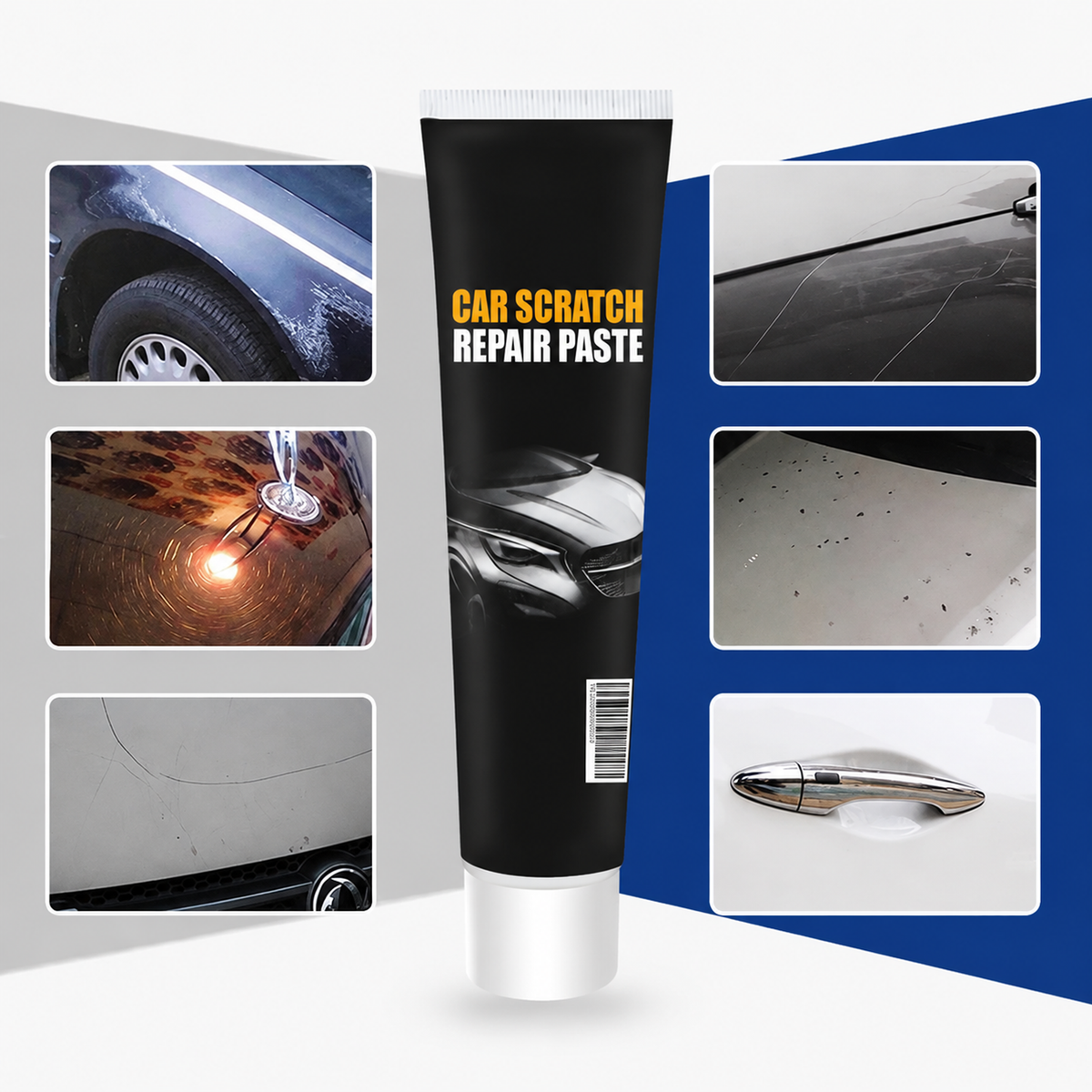
Designed For Quick Touch-Ups
Easy Paste Application
Apply a small amount with a soft sponge or cloth and work gently over the affected area.
Surface Gloss Care
Polishing helps refresh dull-looking areas and improve the appearance of surface gloss.
Light Scratch Correction
Best suited to light scratches, scuffs and shallow surface-level imperfections.
Convenient Touch-Ups
Useful for routine vehicle appearance maintenance without complicated equipment.
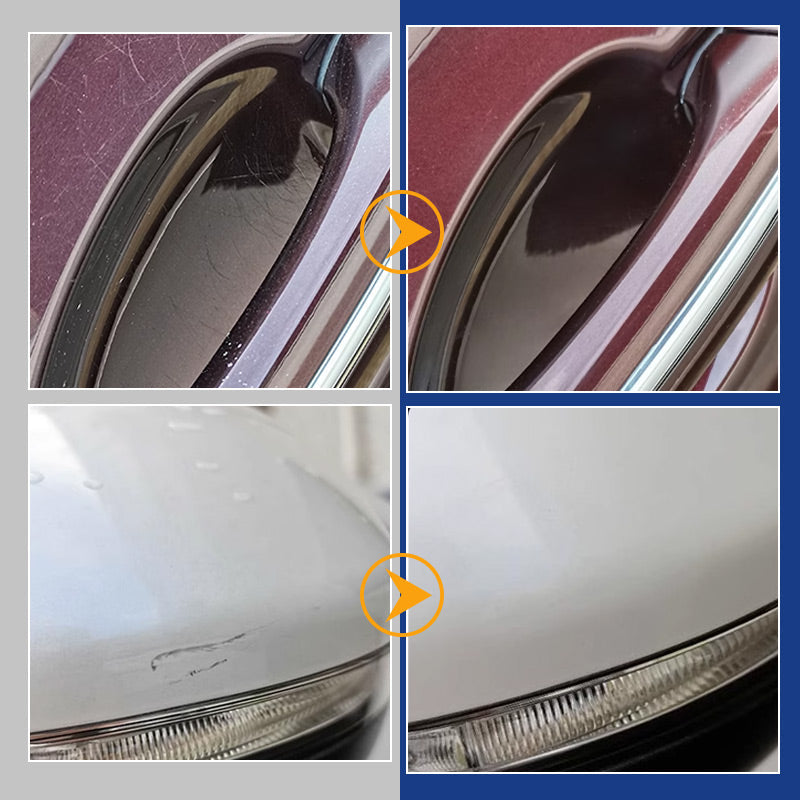
Polish The Surface
For A More Even-Looking Finish
The paste is designed for cosmetic paint-surface care, helping reduce the visibility of shallow marks while refreshing surrounding gloss.

Use Controlled Pressure Instead Of Aggressive Scrubbing
Work a small amount into the affected area using a clean, soft applicator. Gentle polishing gives you more control and helps avoid unnecessary wear on the surrounding finish.
Simple 3-Step Application
Clean & Dry
Wash the affected area and remove dust, grit, grease and loose contamination.
Apply A Small Amount
Put a small amount on a clean sponge or soft cloth and apply it to the affected section.
Polish & Wipe
Gently polish the area, then wipe away remaining residue with a separate clean soft cloth.
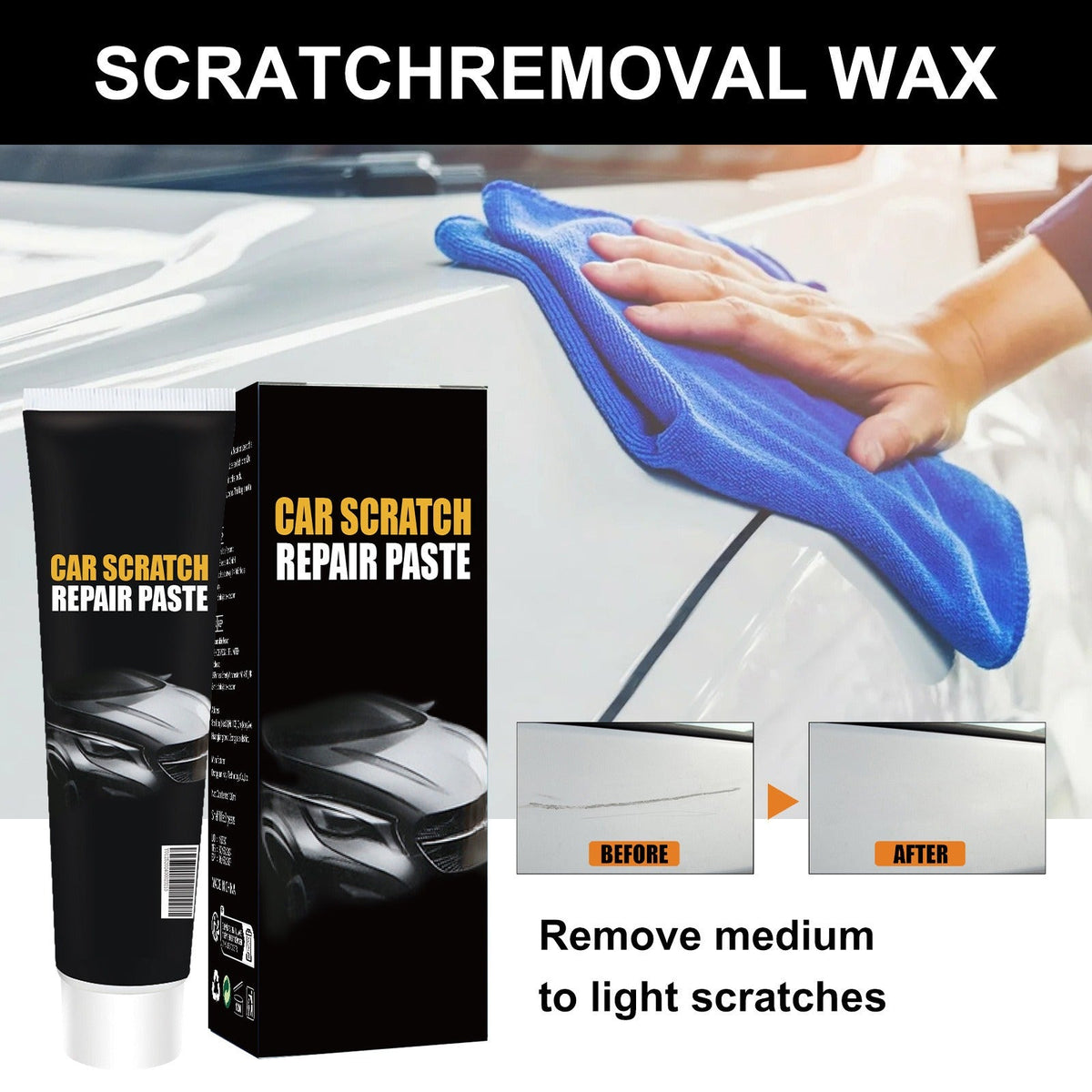
Best For Light Surface Imperfections
Light Scratches
Shallow marks that remain mainly within the upper paint or clear-coat surface.
Scuff Marks
Light rubbing marks from routine contact and everyday vehicle use.
Swirl Marks
Fine surface marks that can make painted panels look less glossy under bright light.
Dull Areas
Small sections that need gentle polishing to refresh the visible surface finish.
Not Every Scratch Can Be Polished Away
• Best suited to light surface scratches, scuffs and swirl marks.
• Deep scratches that expose primer, bare metal or plastic generally require paint repair rather than polishing alone.
• Dents, cracks, peeling paint and structural damage cannot be repaired with polishing paste.
• Always test a small hidden area before treating a larger section.
What You Need To Know
Application Tips
• Work on a clean, cool and dry painted surface.
• Remove dirt and grit before polishing to avoid adding new scratches.
• Apply only a small amount and work one section at a time.
• Use clean, soft applicators and avoid aggressive pressure.
• Stop use if the finish becomes hazy or reacts unexpectedly.
Frequently Asked Questions
What type of scratches is this best for?
It is best suited to light scratches, scuff marks, swirl marks and other shallow surface imperfections.
Can it repair a deep scratch down to bare metal?
No. Deep scratches that expose primer, metal or plastic generally require proper touch-up paint or professional repair.
How do I apply it?
Clean and dry the area, apply a small amount to a soft sponge or cloth, gently polish the affected section and wipe away residue.
Do I need a polishing machine?
No. The product can be applied manually using a suitable soft sponge or microfiber cloth.
Does it work on every paint finish?
Paint systems and coatings vary. Test a small inconspicuous area first and do not use on surfaces that react poorly to polishing products.
Does it permanently remove every scratch?
No. Results depend on scratch depth, paint condition and application. Some shallow marks may become less visible, while deeper damage requires other repair methods.
Can it help improve gloss?
Polishing the upper surface can help refresh dull-looking areas and improve visible gloss.
How much product is included?
The product parameter image lists a volume of 120ML.
Give Minor Paint Marks A Cleaner Finish
Keep a polishing paste in your car-care kit for light scratches, scuffs and routine paint-surface touch-ups.